I've been a fan of Japanese popular music for 40 years, and have managed to collect a lot of material during that time. So I decided I wanted to talk about Showa Era music with like-minded fans. My particular era is the 70s and 80s (thus the "kayo kyoku"). The plus part includes a number of songs and artists from the last 30 years and also the early kayo. So, let's talk about New Music, aidoru, City Pop and enka.
Credits
I would like to give credit where credit is due. Videos are from YouTube and other sources such as NicoNico while Oricon rankings and other information are translated from the Japanese Wikipedia unless noted.
About six weeks ago, I posted an article regarding the band Signal(シグナル)and their warm and reassuring City Pop tune "Slow Down", and yep, it did make me want to slow down and smell the flowers or coffee. ☕
Well, I've got another Signal song here. "Aoi Kage"(Blue Shadows) was released as their August 1981 single, and I'd say that this tune here isn't a City Pop or J-AOR example of their discography. Once again, written by guitarist Akio Asami(浅見昭男)and composed by fellow guitarist Masanori Sumide(住出勝則), this time this song is slightly more rock-driven and chugs away at a good pace. I've listened to "Aoi Kage" a few times now and I've enjoyed that inclusion of what sounds like a mandolin strumming away to give it a bit more of an exotic edge. Both "Slow Down" and "Aoi Kage" are included on Signal's 1981 album"Passing Shower".
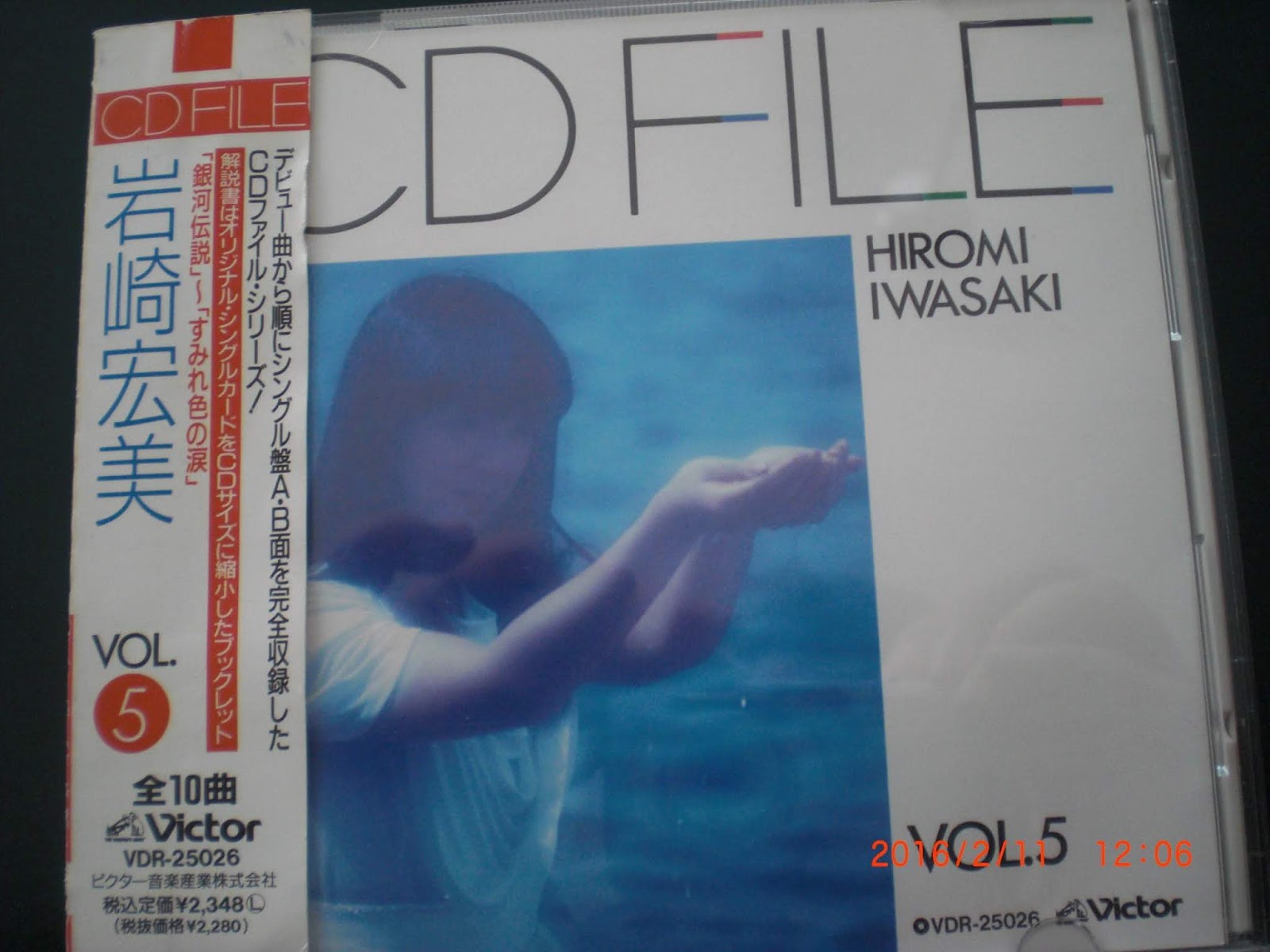
Several years ago, I discovered a folk group called Signal(シグナル)whose 1975 debut single"Hatachi no Meguriai"(20歳のめぐり逢い)was a big hit that year. The song would also be covered by Hiromi Iwasaki(岩崎宏美)on her album "Sumire Iro no Namida"(すみれ色の涙)from November 1981.
Well, as has been the case for many a folk singer or group in Japan back in those days, Signal apparently also made a jump into groovier seas, and in the same year that Iwasaki recorded that cover version of "Hatachi no Meguriai", the original band made the move to a new company, Polystar, and got more into rock, pop and City Pop. Yes, in September 1981, Signal released "Passing Shower" and one of the tracks is the relaxing "Slow Down". Written by guitarist Akio Asami(浅見昭男)and composed by fellow guitarist Masanori Sumide(住出勝則), it's an AOR-friendly tune that can be compared with some of the output by other bands from that time such as H2O and Bread & Butter.
One tidbit of trivia that I've gleaned is that Asami's wife is none other than singer and seiyuu Mitsuko Horie(堀江美都子). She's no stranger to City Pop herself.
A bit of an introspective one for a Friday night but it is a lovely song by the folk bandSignal(シグナル). Consisting of bassist Isao Tamura(田村功夫), guitarist Masanori Sumide(住出勝則), guitarist Akio Asami(浅見昭男), and bassist Tatsuo Inagaki(稲垣達雄), Signal had its run for the better part of a decade between 1975 and 1984. Based mainly in the Kansai region, Polydor Records took note of their song "Hatachi no Meguriai" (Encounter at 20) and soon after, it was released as their debut single in September 1975.
Once again, good timing on that release since "Hatachi no Meguriai", which was written and composed by Tamura, relates the story of a man's memories of the young woman who could have been the love of his life but for whatever reason, they are no longer together. The tropes of season and loss of romance are all in there: dried leaves, September, and a bus stop. However, Tamura's creation isn't completely sad...the protagonist still has his memories to cherish and there's a certain bounce which develops as the song progresses, so it's more wistful. And I don't exactly know how old the man is at the time that he's remembering his brief romance. Is the breakup still fresh or is it now decades down the line?
"Hatachi no Meguriai" managed to reach No. 14 on Oricon, and later became the 32nd-ranked single for 1975. It sold 300,000 records and was the biggest hit by the band.
Some years later, Hiromi Iwasaki(岩崎宏美)gave a tenderhearted but slightly more subdued rendition of "Hatachi no Meguriai" in her album of covers "Sumire Iro no Namida"(すみれ色の涙)from November 1981. I think her version can rival that of the original take by Signal, and for that matter, although the album has been categorized as an aidoru release, this song and the title track illustrate that Iwasaki was now much more of the pop chanteuse. I keep forgetting that "Sumire Iro no Namida" was indeed a cover of the original by Jackey Yoshikawa and His Blue Comets since Iwasaki's cover is so much her own song. The LP peaked at No. 16 on Oricon.