I've been a fan of Japanese popular music for 40 years, and have managed to collect a lot of material during that time. So I decided I wanted to talk about Showa Era music with like-minded fans. My particular era is the 70s and 80s (thus the "kayo kyoku"). The plus part includes a number of songs and artists from the last 30 years and also the early kayo. So, let's talk about New Music, aidoru, City Pop and enka.
Credits
I would like to give credit where credit is due. Videos are from YouTube and other sources such as NicoNico while Oricon rankings and other information are translated from the Japanese Wikipedia unless noted.
Ah, yes...the all-seeing, all-knowing Shinjuku Eye! Glad that I didn't pass by it all the time.
For your approval, I bring you Hiromi Miyano(宮野比呂美), another in the long line of 80s aidoruthat never got into the top tier of teenage singers such as Seiko Matsuda or Akina Nakamori(松田聖子・中森明菜)but had their five minutes in the spotlight, all the same. According to that aidoru page that I sometimes refer to, Miyano, who hails from Yamanashi Prefecture, only had a couple of singles under her belt before she called it a day in 1986.
Her debut single was "Yokohama Gigolo"(横浜ジゴロ)but the topic for this article is her B-side, "Ame no Suspicion" (Suspicion in the Rain) which seems to describe many a suspenseful scene in a Japanese drama. Released in July 1985, it's got that urgent techno aidoru beat which grabbed my ear initially, but I find Miyano's vocals here lacking in range and expression although I like the arrangement. There's also some similarity in the refrain to Hiroko Yakushimaru's(薬師丸ひろ子)"Sailor Fuku to Kikanjuu" (セーラー服と機関銃). Lyrics were provided by Masao Urino(売野政男)while Makoto Kawaguchi(川口真)took care of the music and arrangement.
Happy Monday! Perhaps a bit late in the year to do this one since this is titled "Haru no Uta" (Song of Spring) but, hey, it's warm and jaunty...just the thing to start off this final week in July. Besides, there's a bit of a story behind this one that I hadn't been aware about.
The term "heavy rotation" has been internalized within anyone who listens to music often enough, and there's even an AKB48 hit that has that very title. Certainly during my years growing up, I've noticed which songs were getting a ton of airplay on the radio and, for that matter, which music videos were getting their heavy rotation on television.
Well, I found out that almost a century ago, Japan had their own early version of heavy rotation through a radio program called "Kokumin Kayo"(国民歌謡...The People's Kayo) which was on the air between 1936 and 1941. Said program featured a new kayo and played it every night for a week from Monday to Saturday during its 5-minute time from 12:35 am. That was a heck of a time to play a song that wanted to become a hit. I guess folks really liked listening to the radio that late.
Anyways, one such song that did get the Queen Bee treatment was "Haru no Uta" which was written by Gen Uchida*(内田元)and composed by Kunizo Kishi(喜志邦三). It was first featured on "Kokumin Kayo" from March 1 1937 and was sung by Mitsuko Watanabe(渡辺光子), a Showa Era singer who had apparently gone by a lot of stage names such as Haruko Wada(和田春子), Nobuko Kawashima(川島信子)and Ayako Kawase(川瀬綾子). For "Haru no Uta", though, her official stage name at that time was Mitsuko Tsukimura(月村光子). It became a huge hit once it went on sale on that old 78 rpm later in July, and it was certainly a skip-worthy song to celebrate the coming of the green season.
To be honest, I'd encountered the cover version of "Haru no Uta" first via Sayuri Ishikawa's(石川さゆり)1974 2nd album"Omoide/Aoi Sanmyaku"(おもいで・青い山脈...Memories/The Blue Mountains) during her early aidoru phase. I had simply assumed that "Haru no Uta" was a song that was originally created for Ishikawa since my impression was that the then-teenaged singer was singing all these very cutesy kayo. Her take on the 1937 original was also in that vein with the marimba and mariachi trumpets playing away, a combination back then that I usually associated with comical or kiddy tunes.
*「元」can be pronounced as Gen, Moto or a number of other ways as a given name. If anyone can confirm the lyricist's name, that would be greatly appreciated.
I love to gamble. That is why I always like to pick up some albums that I have no idea about what it is when I go shop for CDs. I could win big if the music turns out to be good, but most of the time these rare albums contain nothing good and are hardly worth anything at all.
Through a year of intensive buying, I have accumulated a stack of these rare albums. Some of them are kind of good, but most are only a waste of money. Here, I want to introduce some of these finds I made on the journey to dig out Japanese grooves on CDs. Since most of these albums are quite rare, I will try to provide audio samples for each album along with commentaries.
(All images taken by myself.)
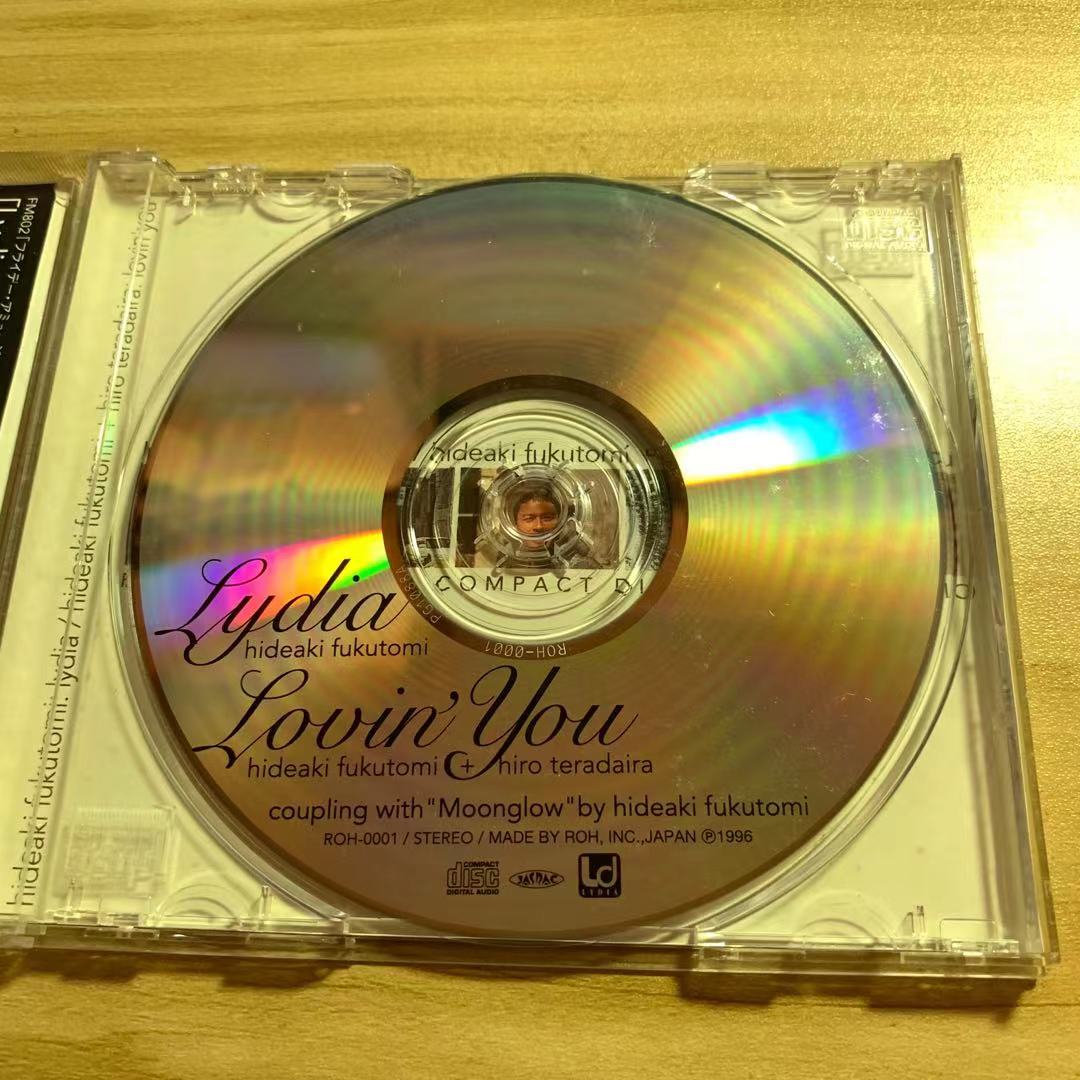
Hideaki Fukutomi - Lydia (1996)
Label: ROH Inc.
Catalog: ROH-0001
When I was searching for the term AOR on Yahoo Auctions, I came across an auction history of this EP that sold for 2,000 yen. Later, I encountered a copy on a local online marketplace, so I bought it and gave it a try.
After a listen to the whole CD, I honestly think this EP does not worth 2,000 yen. The music is definitely worth a listen, but the songs are not so good that they are worth that much money. M1 “Lydia” is a good city pop-flavored ballad song. M2 “Lovin' You” is a jazz-like arrangement. Although the arranger tried to take city pop influence, the effort does not sound successful. M3 “Moonglow” is a very average ballad song that you would forget after hearing it.
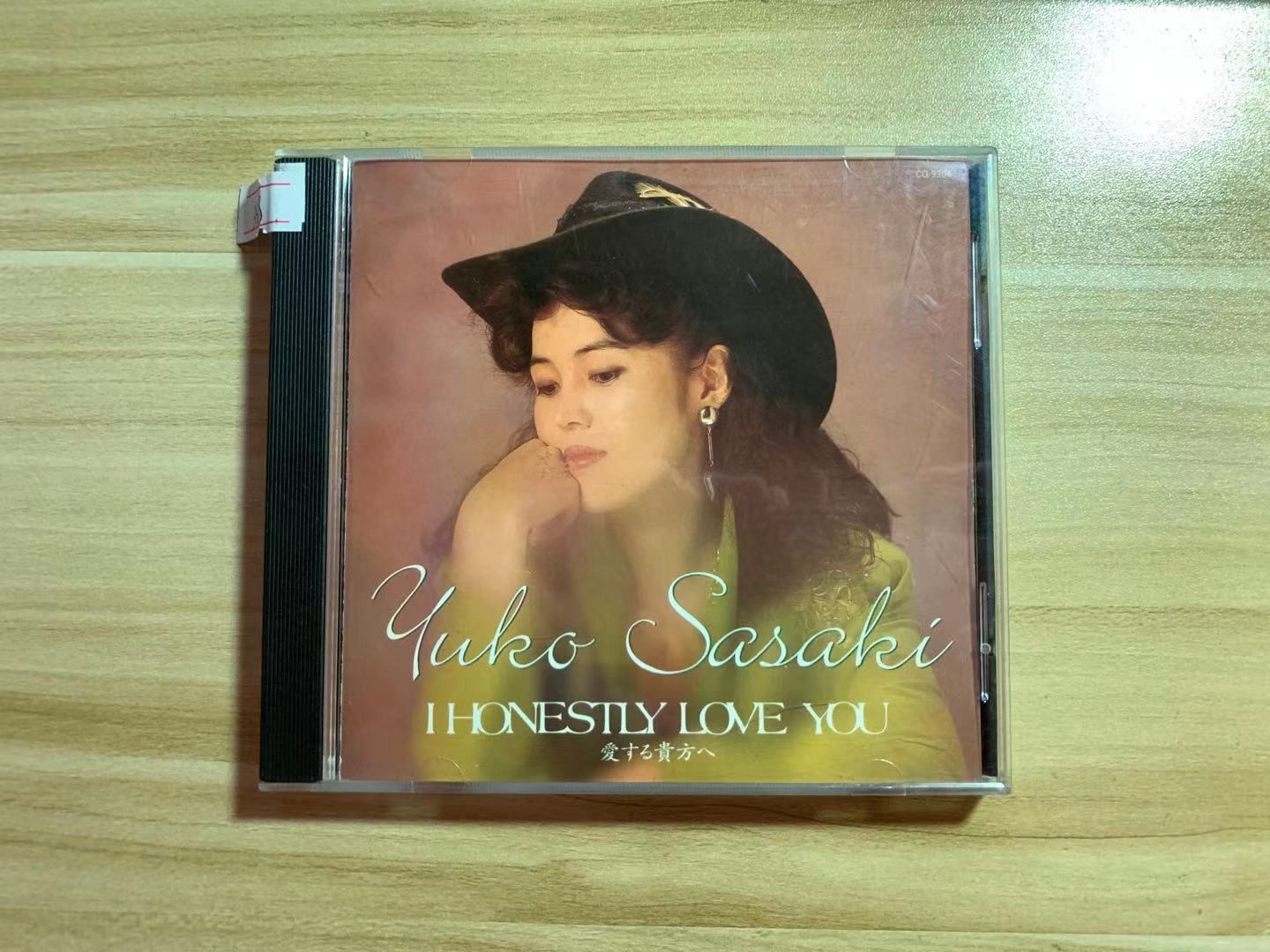
2. Yuko Sasaki - I Honestly Love You (1993)
Label: Spur
Catalog: CO-9304
Looking at the cover image, I thought this album was going to be a jazz album. It did turn out to be somehow jazz-related, but all of the tracks are cover versions of classic songs. Of the 10 tracks recorded, the latter 5 songs are instrumental versions of the first 5, in which there are 3 jazz-like songs and 2 rock/pop songs. According to the insert sheet, the first 3 songs are arranged by Hiroya Watanabe, and the latter 2 are arranged by Hachi Kodera & Super Pickers. The video below shows the second track.
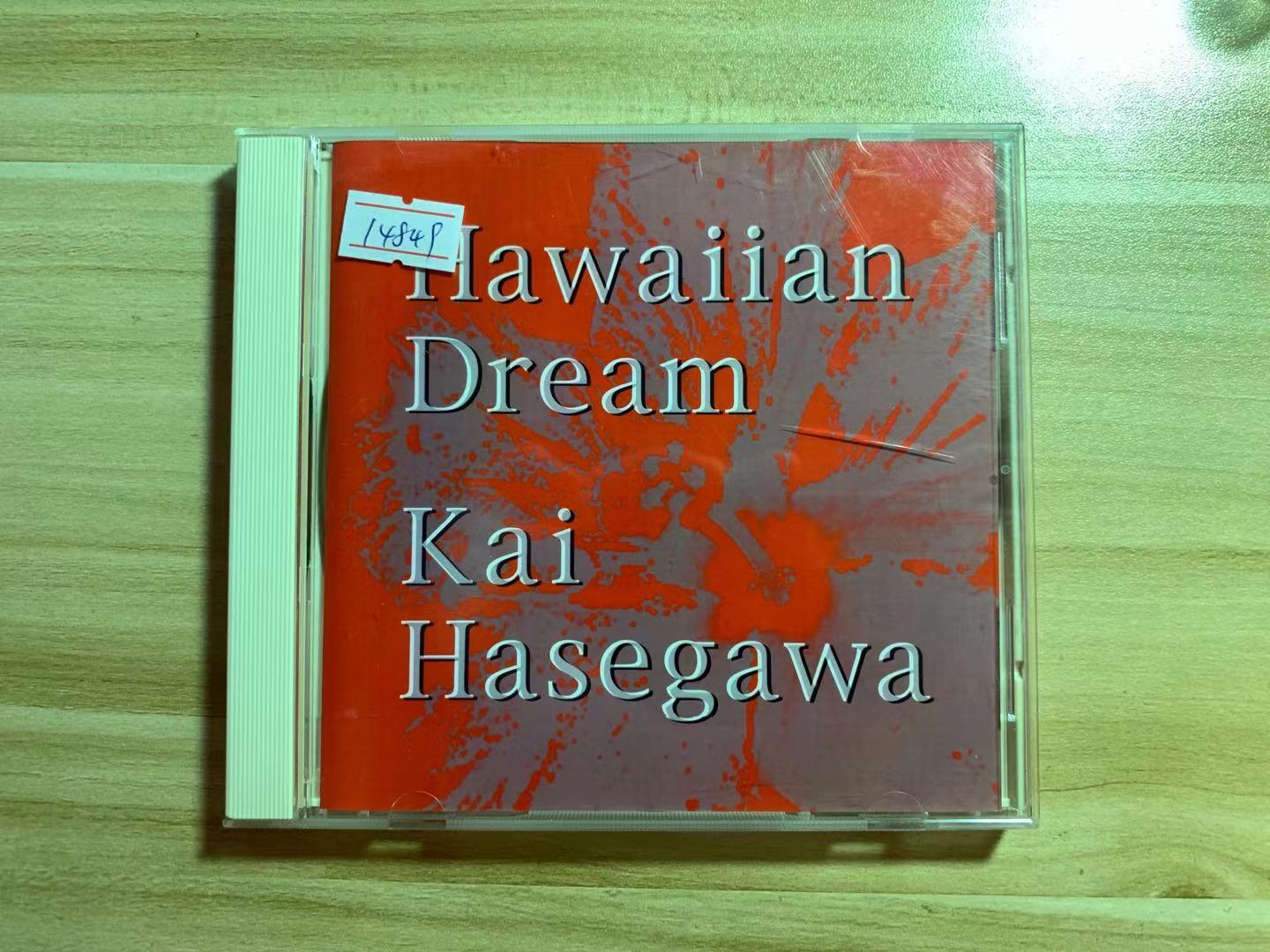
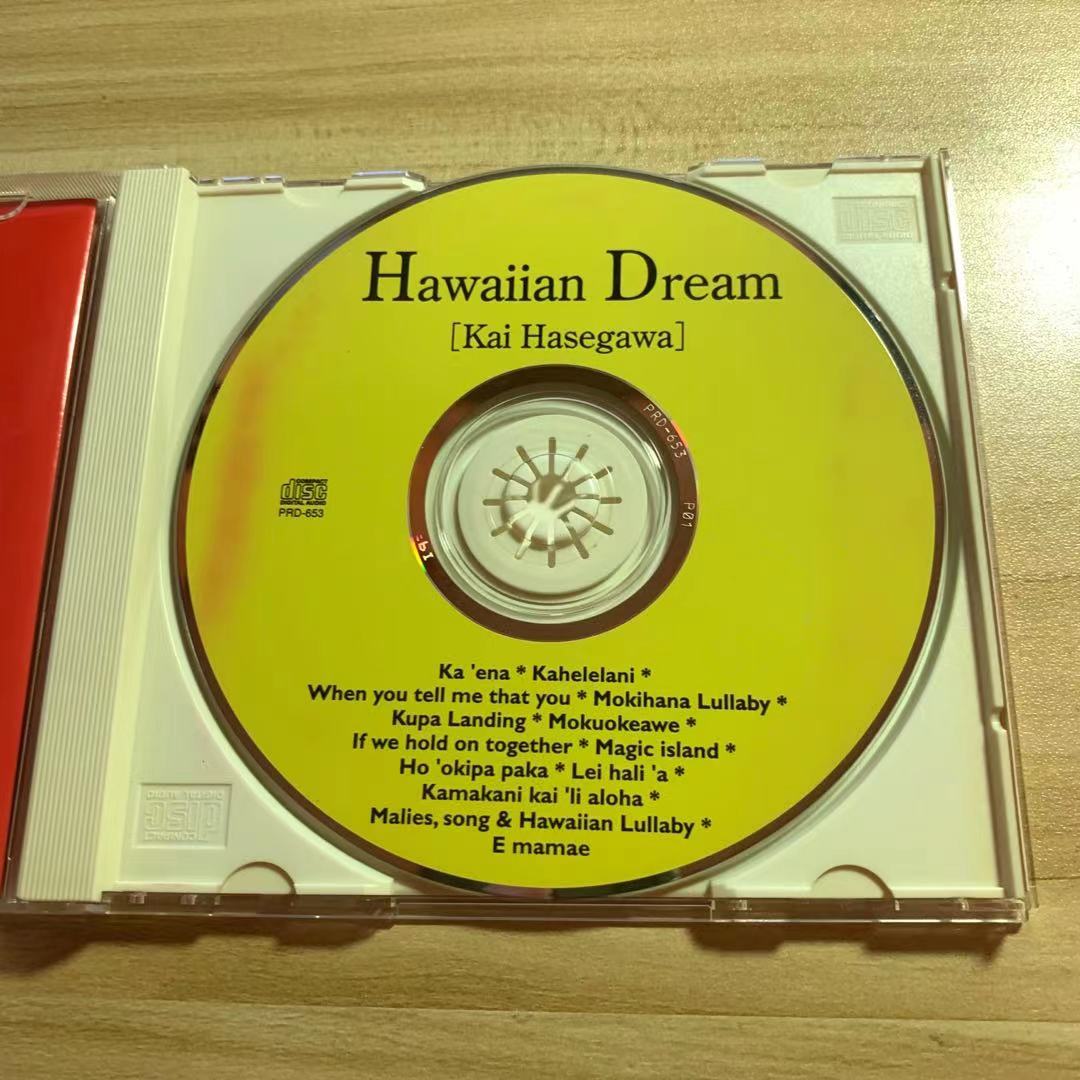
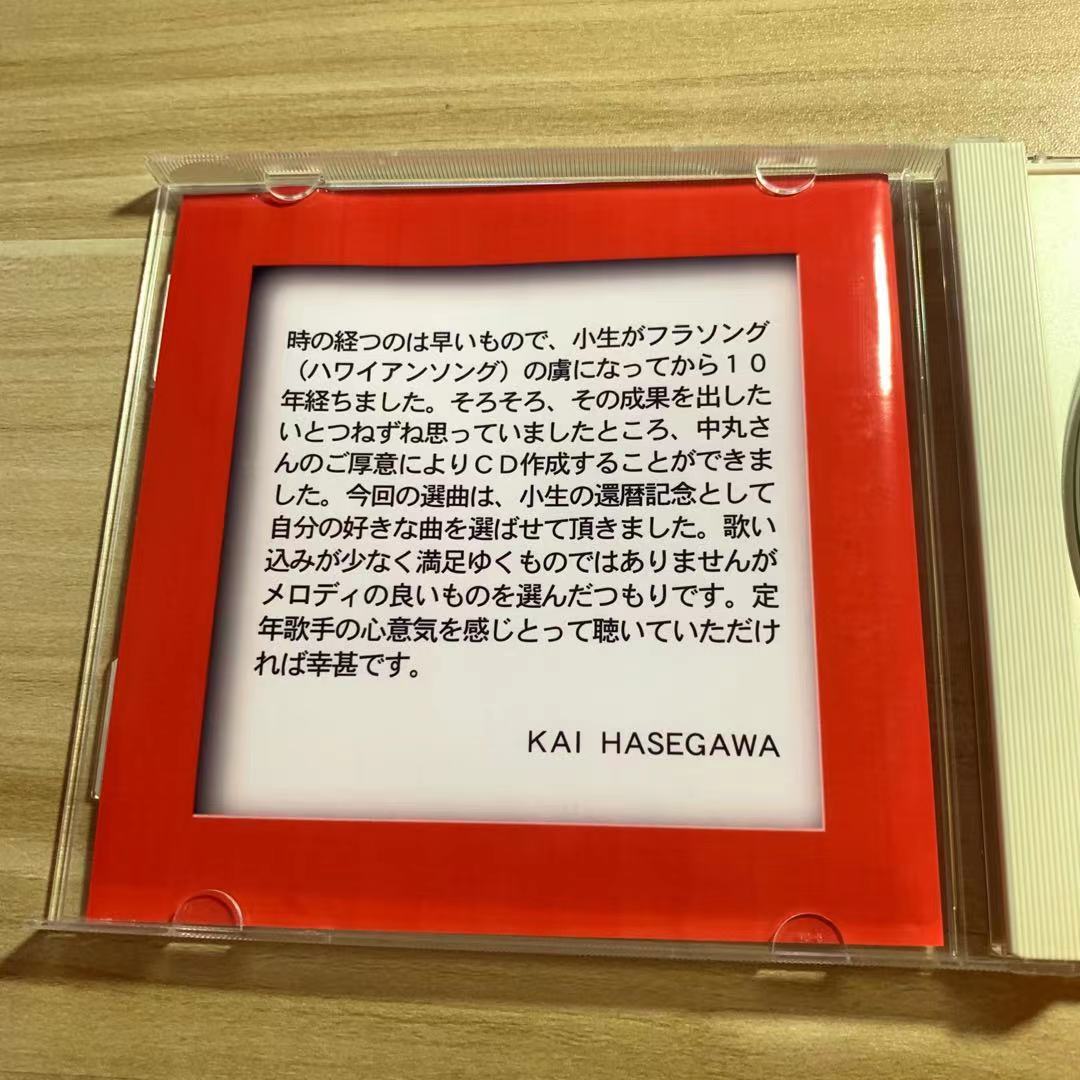
3. Kai Hasegawa - Hawaiian Dream (Unknown Year)
Label: Not On Label
Catalog: PRD-653
Besides jazz, city pop, and funk, I also listen to a little bit of Hawaiian music. This is one of the albums I picked up for that genre.
This album features cover versions of Hawaiian songs in very, very low sound quality. Since purchasing the album, I did not finish listening to it. Part of the reason is that there is no original compositions on the album, another part is because of the low sound quality. The artist might had made the recording with care, but the bad sound quality just ruins the efforts he puts into this album.
4. JC Cornerstone - JC Cornerstone (1993)
Label: Hosanna Music
Catalog: HMCD-9306
I picked up this album for some light mellow AOR tunes, but it turned out that the album has more to do with religious music than with AOR. Overall this is quite a bad purchase for me.
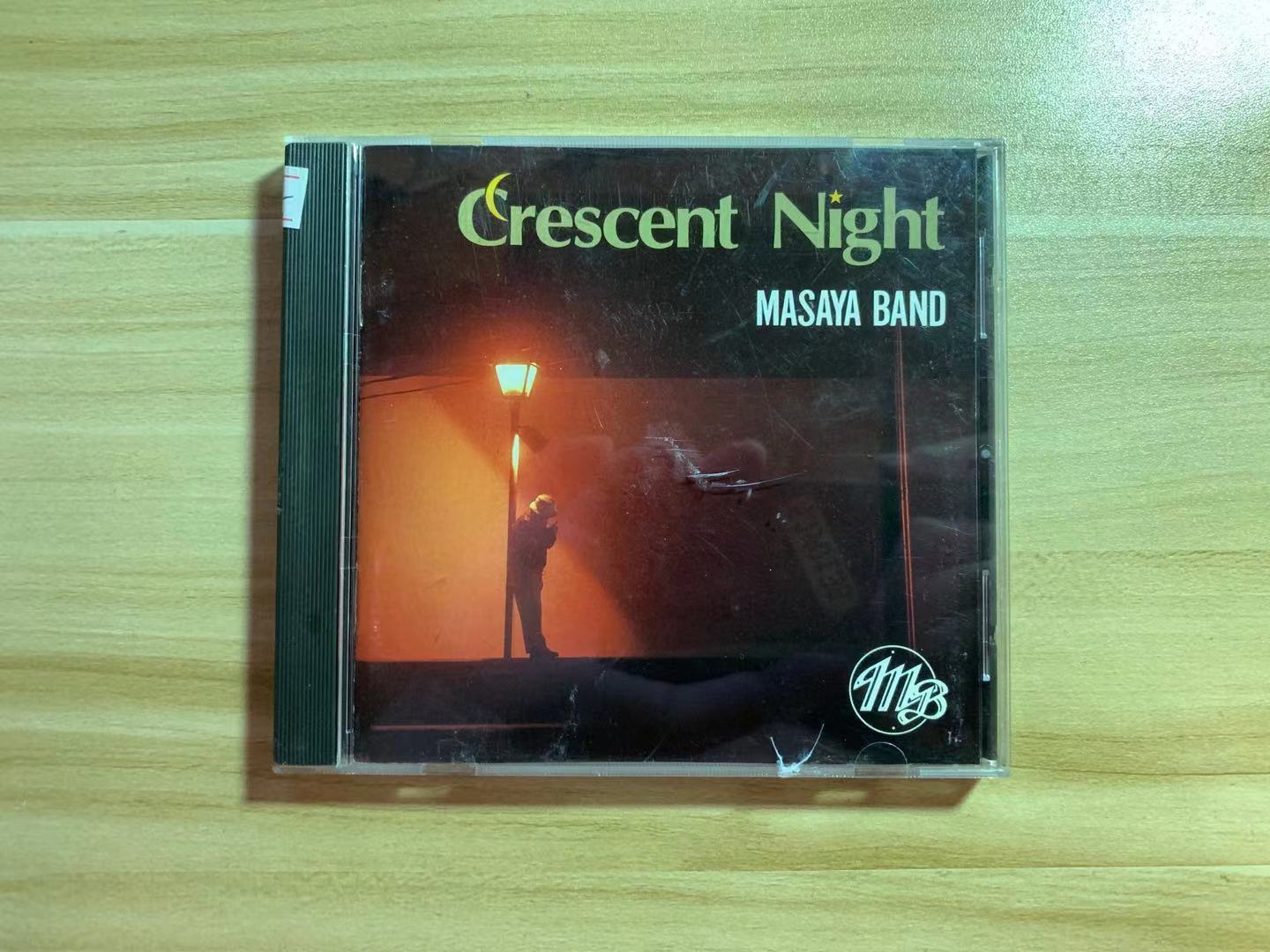
5.Masaya Band - Crescent Night (1992)
Label: Not On Label
Catalog: MB-41810
Looking at the album cover and title, I expected to get some fusions songs from this album. However, it turned out that most songs are rock songs. There are only two songs that are kind of funky, but all are badly arranged.
Another sunny and steamy day in the GTA. Some of my fellow Canadians have lamented that it's been a wet and cool summer but I sure don't believe it. It's been plenty warm here for me although we have gotten goodly buckets of rain now and then. Now that things have been opening up in Toronto for the past week in the province's Stage 3, I'm certain that many folks who have been starved for outdoor dining have been taking advantage and hitting the patios and going inside for a table. For now, Torontonians should be one pretty happy bunch.
I swear that jazz saxophonist Sadao Watanabe(渡辺貞夫)is one of the most perpetually happy musicians I've ever seen. Whenever he shows up in a photo, his beaming smile reaches my eyes before the rest of his face does. He also seems to hit some of the most picturesque settings as well such as certain parts of the Big Apple.
Well, the song "Till We Meet Again" in Watanabe's 1993 album"Earth Step" can also be described as blissfully happy. The title might be saying goodbye but that saxophone he plays is saying "Hello there! Come and stay for a while! The sangria is nice and cold." Maybe I'm stretching the analogy a bit here but it is an inviting track with not only Watanabe but also the dreamy keyboard action that could hint at either a gorgeous sunset afternoon or a clear night under the stars on the balcony part of a tony bar.
I've finally started watching "Zombieland Saga Revenge"(ゾンビランドサガ リベンジ). Those YouTube videos gave me plenty of hints of what was to come for the second season, but I'm still satisfied with what I've witnessed through the first couple of episodes.
There was quite a bit of buzz with Episode 2 since actor Hakuryu(白竜)contributed his voice as a long-standing radio host about to finally leave his post and give the keys to Franchouchou band leader Saki, his No. 1 fan, to provide the passionate energy for the soul restoration of Saga Prefecture. According to his Wikipedia profile, Hakuryu has played a lot of scheming gangland heavies in movies but here, his character of White Ryu(ホワイト竜)is a reassuring and rumbling voice of the night...kinda like a Japanese version of actor Sam Elliott, although he was probably much more of a hellraiser in his younger and less wise days.
At the end of the episode, Saki as lead vocal and Franchouchou perform a cover of an old song by White Ryu, "Kaze no Tsuyoi Hi wa Kirai ka?" (Do You Hate Windy Days?) which reminds me of the 70s/80s good time rock n' roll provided by performers and bands such as Eikichi Yazawa(矢沢永吉)and Shogo Hamada(浜田省吾). Maybe there's even a bit of Yosui Inoue(井上陽水)in there, too. My anime buddy told me some weeks ago that Franchouchou was exploring some of the other genres this time around, so I'm definitely looking forward to the other insert songs that will be popping up.
"Kaze no Tsuyoi Hi wa Kirai ka?" was written and composed by musician and songwriter Takeshi Isozaki(磯崎健史). I found a shortened version of White Ryu's original song which has a much more laidback arrangement but still feels like that exhortation to get out of the doldrums and seize the day.
The first time that I wrote about one of Anzen Chitai's(安全地帯)big albums, "V", was back in the summer of 2012, and even before that article, I'd already covered one of the songs there that has become a karaoke staple for the older of us, "Natsu no Owari no Harmony" (夏の終わりのハーモニー). Frankly since then, I've covered more of the 36 tracks in total over the years of "Kayo Kyoku Plus" individually: "Suki sa"(好きさ), "Gin'iro no Pistol"(銀色のピストル), "Yakusoku"(約束),"Parade ga Yatte Kuru"(パレードがやってくる)and "Tooku e(遠くへ)/Miss Miss Kiss".
And Koji Tamaki(玉置浩二)and crew just keep on giving with this album of the Anzen Chitai sound, City Pop, jazz and blues. So much so that I've decided to get a little side project going of covering what remains in the massive "V" which had originally taken up three full LPs but has had the CD version covering it in two discs. Until I'm finished and/or I can no longer find anything from "V" on YouTube, I'll probably keep at it on a monthly basis. But just to keep my sanity and retain my laziness, I will follow up by each of the original LP sides...hence the title above of "Friends, Side 1" Apparently what I hadn't known was that each of the LPs had their own title: "Friends", "Suki sa" and "Harmony".
Well, from "Friends, Side 1", I've already covered the first two tracks of "Tooku e" and "Miss Miss Kiss" as cited above, and there is the final track, the single "Friend" which was covered in the original article for "V". Incidentally, all tracks were written by Goro Matsui(松井五郎)and composed by vocalist Tamaki.
Tracks 3 and 4 of that Side 1 are "Party"(パーティー)and "Futari de Odorou"(ふたりで踊ろう...Let's Dance) which make up two sides of the same coin especially with a fuzzy foreshadowing of the latter song starting off "Party". As for "Party", Tamaki delivers a teasing and whispery affirmation about a woman getting ready for that huge soiree somewhere in the city. There is almost something borderline stalker-y but before we get into criminal proceedings, allow me to say that there is also new and old with the Fender Rhodes and synth-strings. But then a little over halfway in comes "Futari de Odorou" which is louder and splashier as that party gets into high gear and Tamaki exhorts everyone to get onto the dance floor with all those horns. That latter song is another hybrid of the traditional Anzen Chitai sound with some of that fusion that the band wanted to introduce in "V".
I remember watching the VHS video for the concert version for "V" and it began with the tandem of "Party" and "Futari de Odorou". Fine choice, too, since "Party" was all about the preparations before the big event and then with "Futari de Odorou", Tamaki flies up on stage for all to enjoy.
"Silhouette"(シルエット)is a dreamy ballad that has Tamaki doing his usual wonderful achingly tenderhearted delivery of love between a couple. It's very short at under two minutes and it seems to serves as an interlude between the party of "Futari de Odorou" and the dramatic "Friend" which finishes up the side. I guess, in a way, it's a cooling AOR breather with the hint of a nice flugelhorn chaser.
Hope to have Side 2 up and running early in August.
Well, for better or worse, the Tokyo Olympics are under way, and it appears that Japan has already gotten onto the medal list with a Gold and a Silver at least in judo. Canada came close in the Men's individual road race with Michael Woods coming in 5th. COVID hasn't taken it easy on the Olympic Village and now Tokyo has to contend with a typhoon potentially crashing the party in the middle of next week.
Of course, when we have Japan + Olympics, the result will be official theme songs and for the national broadcaster NHK, that has been the case since 1988 when Mari Hamada(浜田麻里)sang "Heart and Soul" for the Seoul Games. The commercial TV networks have also followed suit. For example, Misato Watanabe(渡辺美里)sang "My Love, Your Love" which was used as the Olympic theme by NTV for the 1996 Games in Atlanta while Anri(杏里)contributed her own "Ano Natsu ni Modoritai"(あの夏に戻りたい)for TV Asahi for the same competition.
Speaking of Anri, when the Winter Games arrived in Nagano, Japan in 1998, her 31st single,"SHARE Hitomi no Naka no Hero" (The Hero in My Eyes), had originally been released in November 1994 as this love ballad that the singer wrote and composed, but it was then selected to be the official Nagano Olympics song by the Japan Olympic Committee. In comparison with the pleasantly light and summery "Ano Natsu ni Modoritai" for the NTV coverage, "SHARE Hitomi no Naka no Hero" has a bit more gravitas and an inspirational mood which probably caught the JOC's eyes and ears.
"SHARE" was then given its own separate release in January 1998 as an Olympic single. The original peaked at No. 47 and can also be found as a track on "Anri The Best", her 9th BEST compilation released in May 2000. Meanwhile, the Olympic single, which also has an English version, only got as high as No. 78. Supposedly, both versions have different arrangements.
For me, the Nagano Olympics meant those Ski Jump Golds earned by Takanobu Okabe, Hiroya Saito, Masahiko Harada and Kazuyoshi Funaki. I was happy to see that victory live on TV in Ichikawa, but that was only because I was stuck at home with a busted ankle.😧